

Key Takeaways
- Pest activity shifts with temperature, rainfall, humidity, food availability, and shelter.
- Spring and summer commonly bring more ants, flies, mosquitoes, spiders, termites, and stinging insects.
- Fall often increases rodent pressure as mice and rats look for protected indoor spaces.
- Winter does not eliminate pest concerns, since many pests remain active or hidden indoors.
- Routine inspections, moisture control, sanitation, and exclusion can reduce pest pressure all year.
Pest problems rarely begin overnight. They usually develop when a home offers easy access to food, water, warmth, or shelter. A seasonal routine helps homeowners spot those conditions early, while pest control services can be useful when activity is persistent, difficult to detect, or located in hard-to-reach areas.
This practical 2026 calendar is designed for general home maintenance across the United States. Exact timing will differ by region, elevation, and local weather, so use the months as planning markers rather than strict deadlines.
Why Pest Activity Changes With the Seasons
Pests respond to their environment. Warm temperatures can speed insect movement and reproduction, while rain can create moisture problems, fill containers with standing water, or force soil-dwelling pests toward drier areas. Colder nights often encourage rodents and other animals to seek protected spaces near people.
Local conditions matter as much as the calendar. A mild winter can lead to earlier ant activity; a wet spring may increase mosquito populations; and a long dry spell can send pests toward leaking pipes, pet water bowls, and irrigated landscaping. Tracking repeat activity around your own property is often more useful than relying on a single expected season.
Spring: Early Signs Around the Home
As temperatures rise, homeowners may notice the first wave of visible pest activity. Ants may follow moisture or food indoors, flies can gather near trash and drains, and spiders may become more noticeable where small insects are abundant. Spring is also an important time to watch for winged insects around windows, light fixtures, or foundation walls.
Common Spring Warning Signs
- Ant trails near countertops, pet bowls, windows, or sinks.
- Winged insects are collecting near windowsills or indoor lights.
- Wasps begin small nests beneath eaves, railings, or outdoor furniture.
- Fine debris or damaged wood around trim, decks, or woodpiles.
- More spiders are appearing in garages, sheds, window corners, and porches.
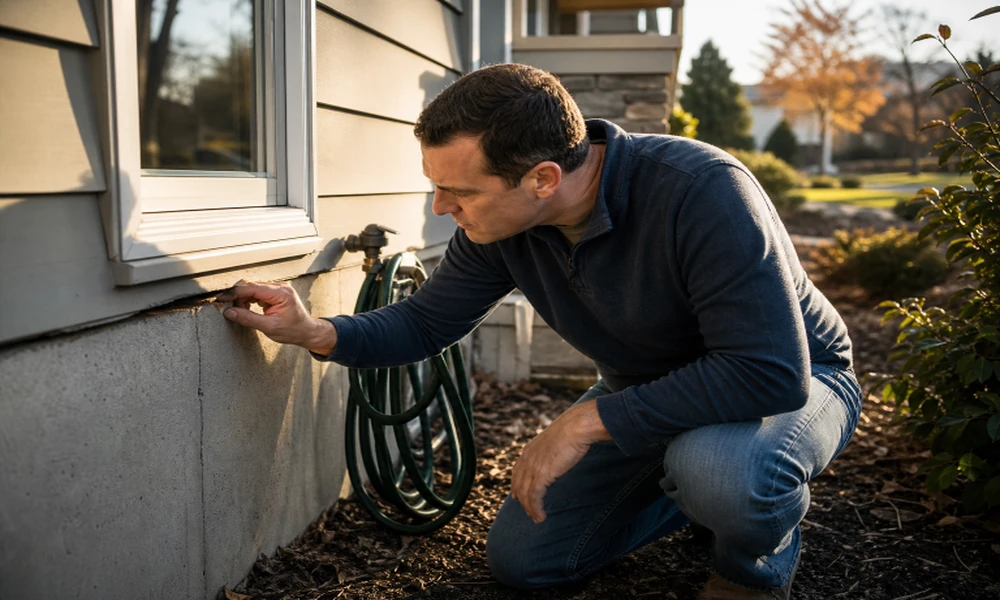
Start with the exterior. Clean gutters, direct water away from the foundation, trim plants so they do not touch siding, and inspect door sweeps and window screens. Seal cracks around utility lines and outdoor faucets before small gaps become reliable entry routes.
Summer: Heat, Moisture, and Peak Activity
Summer is often the busiest season for insects because heat, humidity, outdoor meals, and frequent watering can create favorable conditions. Ants, flies, cockroaches, spiders, termites, wasps, and mosquitoes may all become more noticeable, especially around kitchens, patios, trash areas, gardens, and shaded landscaping.
Mosquito prevention should focus on removing the places where water can collect. The weekly habit of emptying and scrubbing water-holding containers can help reduce breeding opportunities in buckets, toys, planters, birdbaths, and trash containers. Repair torn screens and keep doors closed when possible to limit insects moving indoors.
Summer Prevention Checklist
- Empty containers that collect rainwater at least once a week.
- Keep garbage cans clean, covered, and away from exterior doors when possible.
- Store pet food, birdseed, and pantry items in sealed containers.
- Fix dripping faucets, leaky hoses, and damp areas beneath sinks.
- Keep firewood, leaf piles, and yard debris away from the home.
- Cover food during cookouts and clean spills promptly.
Fall: Rodents and Other Shelter Seekers
Cooler nights can change the type of activity homeowners see. Mice and rats may search for warmth, nesting material, and dependable food sources. Some insects also move into wall voids, attics, garages, sheds, and storage spaces before winter weather becomes more severe.
Areas to Inspect in Fall
- Gaps around pipes, cables, dryer vents, and utility lines.
- Garage door corners, basement windows, and damaged door sweeps.
- Roof edges, soffits, attic vents, and loose siding.
- Cardboard boxes, stored fabrics, insulation, and cluttered shelves.
- Pantries, pet-food storage areas, and spaces near heating equipment.
A small opening can support repeated pest entry, particularly if it leads directly to a warm wall void or food storage area. Close gaps with materials appropriate for the location, and move stored food, feed, and seed into durable containers with tight-fitting lids.
Winter: Hidden Pests and Indoor Risks
Cold weather does not always mean pest activity has stopped. Rodents can remain active inside walls, attics, crawl spaces, and garages. Pantry pests, cockroaches, and other insects may also persist indoors where heat, moisture, and food are available.
Check less-used areas every few weeks for droppings, gnaw marks, unusual odors, damaged food packaging, or scratching sounds. Avoid handling unknown nests or applying a pesticide without reading and following the label. A measured approach that identifies the pest, monitors activity, prevents access, and uses targeted controls reflects the integrated pest management principles that reduce unnecessary treatment.
A Simple 2026 Pest Prevention Calendar
- January and February: Inspect storage areas, pantry goods, vents, and wall openings for rodents and hidden indoor pests.
- March and April: Check foundations, windows, gutters, screens, and damp areas for ants, flies, spiders, and winged insects.
- May and June: Remove standing water, repair leaks, and watch for mosquitoes, wasps, ants, and cockroaches.
- July and August: Keep food covered outdoors, manage trash, trim vegetation, and inspect patios and gathering spaces.
- September and October: Seal entry points before colder weather and reduce clutter that can shelter rodents.
- November and December: Review firewood, garage storage, seasonal decorations, and food containers for hidden activity.
Steps That Help All Year
- Look outside first. Check for standing water, dense vegetation, damaged screens, and gaps near the structure.
- Remove easy food sources. Clean crumbs, secure trash, and avoid leaving pet food out overnight.
- Control moisture. Repair leaks, improve drainage, and ventilate damp rooms.
- Close entry points. Inspect foundations, doors, windows, vents, and utility openings.
- Record repeat activity. Note the pest, location, date, and weather conditions to identify patterns.
- Respond early. Small signs are easier to address before activity spreads to additional rooms or structural spaces.
When to Seek Professional Help
Outside help may be appropriate when sightings persist after basic prevention measures, rodents are present, a stinging insect nest is near living areas, termite activity is suspected, or pests affect food-handling areas. Ask what pest was identified, where it was found, what conditions support it, and what steps can help prevent a return.
Seasonal pest prevention works best as a routine rather than a one-time project. A brief monthly inspection can reveal moisture, clutter, food sources, and entry points before they lead to larger issues. Matching home care to seasonal conditions makes the property less inviting throughout 2026.