

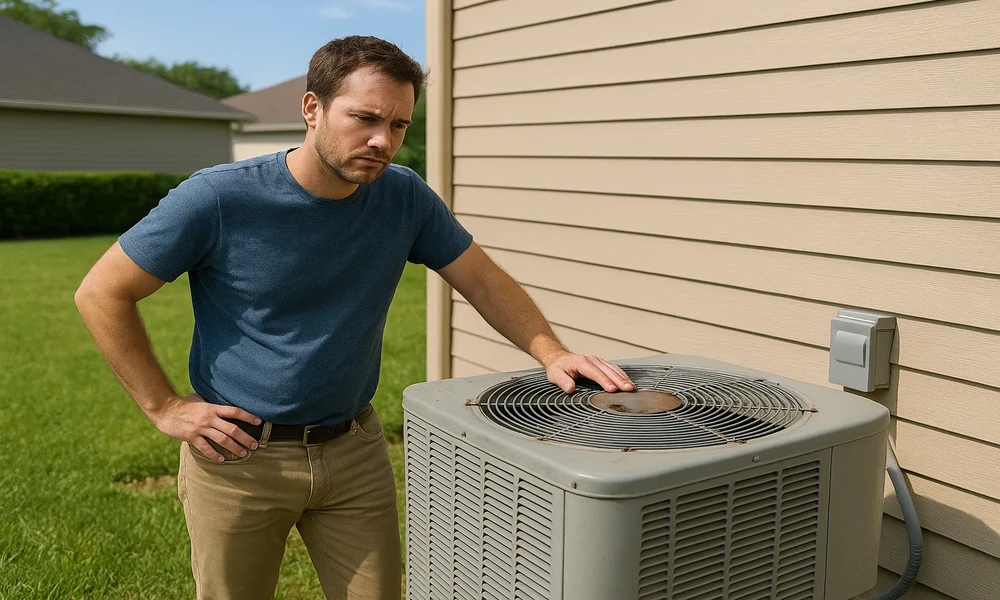
In Central Florida, an air conditioner is not a seasonal luxury. It runs for most of the year, pushing through heat, thick humidity, and the occasional mild winter that never quite lets the system rest. That near-constant workload makes upkeep far more important here than in cooler parts of the country, and it is why many homeowners now treat their cooling equipment the way they treat their car: something that needs regular attention to stay dependable.
Many local homeowners searching for ac maintenance in Winter Haven are trying to answer the same question: what actually needs to be done, and how often? The answer is less complicated than it sounds, and a lot of it can be handled with a few minutes of effort each month.
This guide covers how Florida’s climate affects cooling equipment, which tasks matter most, how to spot trouble early, and which common beliefs about air conditioning are simply wrong.
How Florida’s Climate Stresses Your System
An air conditioner does two jobs at once: it lowers temperature and removes moisture. In a humid state, the second job is just as demanding as the first. Every hour of operation pulls water out of your indoor air, and that moisture has to go somewhere. It drips off the evaporator coil, collects in a drain pan, and exits through a condensate line.
This creates several challenges unique to warm, wet regions:
- Constant run time. More operating hours means faster wear on the compressor, fan motors, and capacitors.
- Drain line clogs. Warm, damp conditions encourage algae and slime to grow inside the condensate line.
- Coil buildup. Pollen, dust, and humidity-fed grime coat the coils, reducing heat transfer.
- Salt, storms, and debris. Wind, heavy rain, and falling leaves can clog outdoor units or damage fins.
- Mold risk. Damp ducts and drain pans are ideal places for mold to take hold.
What Good Upkeep Actually Includes
Upkeep falls into two groups: simple tasks you can do yourself, and technical work that belongs with a licensed professional.
| Task | Who Does It | Suggested Frequency |
|---|---|---|
| Replace or wash air filter | Homeowner | Every 1-2 months in heavy-use season |
| Clear plants and debris from outdoor unit | Homeowner | Monthly |
| Pour vinegar through the drain line | Homeowner | Every few months |
| Check thermostat operation | Homeowner | Seasonally |
| Clean evaporator and condenser coils | Technician | Annually |
| Test refrigerant level and pressure | Technician | Annually |
| Inspect electrical connections and capacitors | Technician | Annually |
| Check duct sealing and airflow | Technician | Every 1-2 years |
According to the U.S. Department of Energy, a dirty filter or neglected coil can force a system to work harder, and routine air conditioner maintenance helps preserve efficiency and extend equipment life.
A Quick Monthly Checklist You Can Handle
You do not need special tools for most of this. Turn the system off at the thermostat and breaker first.
- Inspect the filter. If light barely passes through it, replace it.
- Walk around the outdoor unit. Trim shrubs back at least two feet and clear away leaves or grass clippings.
- Look at the drain line. Check for dripping, standing water, or slime near the indoor unit.
- Listen when the system starts. Note any new rattling, buzzing, or squealing.
- Feel the supply air. It should be noticeably cooler than the room air, with steady airflow from every vent.
Anything involving refrigerant or electrical components should be left to a certified technician. Refrigerant handling is regulated, and mistakes can be dangerous.
Warning Signs Worth Acting On
Cooling problems usually announce themselves before a full breakdown. Pay attention to these signals:
- Rooms that never quite reach the thermostat setting
- Ice forming on the refrigerant lines or indoor coil
- Water pooling near the air handler
- A sharp rise in electricity bills with no change in habits
- Musty or sour smells when the system starts
- A unit that cycles on and off every few minutes
Ice, in particular, is often a sign of restricted airflow or low refrigerant. Running the system while frozen can damage the compressor, so it is better to shut it off and let it thaw while you investigate.
Myths That Cost Homeowners Money
“A lower thermostat setting cools the house faster.” Most residential systems deliver cooling at one rate. A very low setting only makes the system run longer.
“Closing vents in empty rooms saves energy.” It can raise pressure in the ducts, increase leakage, and strain the blower.
“If it still blows cold air, it’s fine.” A system can feel cold while running inefficiently. Weak airflow, dirty coils, and small refrigerant leaks often hide behind acceptable temperatures.
“Bigger is better.” An oversized unit cools quickly but shuts off before removing enough moisture, leaving rooms cool and clammy. Proper sizing matters more than raw capacity.
Protecting Indoor Air Quality
Because your cooling system moves all the air in the house, it affects what you breathe. Filters, coils, and ducts collect dust, pollen, and moisture, and in humid climates those conditions can encourage mold growth. The U.S. Environmental Protection Agency explains how pollutants build up indoors and why ventilation and source control matter in its indoor air quality resources.
A few practical steps help:
- Keep indoor humidity roughly between 30% and 50%.
- Use a filter appropriate for your system, since overly restrictive filters can choke airflow.
- Keep the drain pan and condensate line clear.
- Run bathroom and kitchen exhaust fans to remove moisture at the source.
- Have ducts inspected if you notice persistent dust or musty odors.
Smart Habits That Lower Cooling Costs
Equipment care works best alongside sensible household habits:
- Set the thermostat a few degrees higher when you are away.
- Use ceiling fans in occupied rooms only.
- Close blinds on west-facing windows in the afternoon.
- Seal gaps around doors, windows, and attic hatches.
- Consider adding attic insulation if upstairs rooms stay hot.
- Schedule heavy heat-producing tasks, such as baking or laundry drying, for cooler hours.
Frequently Asked Questions
How long should a central air conditioner last?
With regular care, 12 to 15 years is typical, though constant use in hot climates can shorten that range.
How often should a professional inspect the system?
Once a year is a good baseline, ideally before the hottest months begin.
Is a repair or replacement the better choice?
When repair costs approach half the price of a new unit, or the system is old and inefficient, replacement often makes more sense financially.
Why does my indoor unit leak water?
A clogged condensate line is the most common cause. A frozen coil or cracked drain pan can also be responsible.
The Bottom Line
Reliable cooling in a hot, humid region comes down to consistency. Replace filters on time, keep the outdoor unit clear, watch for early warning signs, and schedule a yearly professional inspection. These small habits protect your equipment, keep indoor air healthier, and help you avoid the stress of a breakdown during the hottest stretch of the year. A little prevention now almost always costs less than an emergency repair later.