

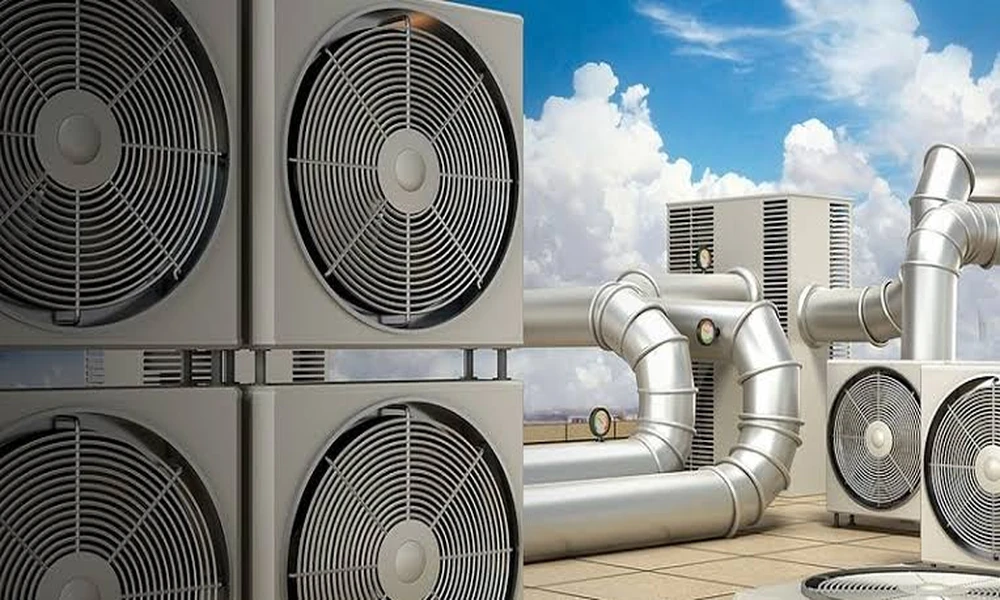
Your HVAC system works quietly in the background through hot summers and cold winters, but it still needs regular attention to perform reliably. For Roanoke homeowners, routine maintenance can help keep heating and cooling equipment operating efficiently, identify developing problems early, and maintain a more comfortable indoor environment.
Scheduling HVAC maintenance for Roanoke homes is less about waiting for something to break and more about taking a proactive approach to an essential home system. A consistent maintenance routine can also make unexpected repairs less likely and help homeowners understand the condition of their equipment.
What Regular HVAC Maintenance Actually Involves
HVAC maintenance is more than simply changing an air filter. A professional service visit typically involves inspecting, cleaning, testing, and adjusting components according to the type of system and its condition.
For cooling equipment, a technician may inspect electrical connections, refrigerant-related components, condensate drainage, coils, airflow, and system controls. Heating maintenance can include checking burners, heat exchangers, ignition components, safety controls, and airflow.
The exact checklist varies by equipment. A heat pump, furnace, central air conditioner, and ductless system each have different components that require attention.
Why HVAC Maintenance Matters for Roanoke Homes
Roanoke experiences both warm summers and cold winters, meaning homeowners often rely on their HVAC systems throughout much of the year. That regular use can place ongoing demands on mechanical and electrical components.
Routine maintenance provides an opportunity to catch wear, dirt buildup, restricted airflow, loose connections, and other developing issues before they become more disruptive. It also gives homeowners a clearer picture of whether their system is operating normally or showing signs of deterioration.
Most importantly, maintenance is preventive rather than reactive. Instead of discovering a problem when the system stops working on an extremely hot or cold day, homeowners can address smaller concerns during a planned service appointment.
How Maintenance Can Support Energy Efficiency
An HVAC system has to work harder when airflow is restricted or components are dirty or malfunctioning. Simple issues, such as a heavily loaded filter or blocked outdoor unit, can affect how effectively the system moves and conditions air.
Professional maintenance can help keep the equipment clean and properly adjusted. While maintenance cannot guarantee a specific reduction in energy bills, an HVAC system that is operating as intended is generally better positioned to use energy efficiently than one that has been neglected.
Homeowners can also support efficiency between professional visits by replacing disposable filters according to the manufacturer’s recommendations and keeping outdoor equipment clear of leaves, grass, and other debris.
Maintenance Can Help Identify Problems Early
Small HVAC problems do not always cause an immediate breakdown. A worn electrical component, unusual vibration, drainage issue, or airflow restriction may initially produce only subtle symptoms.
During a maintenance visit, a technician can inspect components that homeowners may not notice during everyday operation. Finding a developing issue early can give the homeowner an opportunity to decide how and when to address it rather than dealing with an unexpected failure.
Watch for signs such as:
- Unusual noises or vibrations during operation
- Weak or inconsistent airflow
- Rooms that remain noticeably warmer or colder than others
- Unexplained increases in energy use
- Frequent cycling or difficulty reaching the thermostat setting
- Water around indoor equipment
- Unusual odors when the system runs
These symptoms do not necessarily indicate a major failure, but they are worth investigating.
When Should Roanoke Homeowners Schedule Maintenance?
A common approach is to have heating and cooling equipment professionally inspected and serviced before the seasons when each system will be used most heavily. For example, cooling equipment can be checked before summer, while heating equipment can be inspected before winter.
The appropriate schedule also depends on the equipment, its age, how frequently it operates, and the manufacturer’s recommendations. Homes with heat pumps may require a different maintenance approach because the same system can provide both heating and cooling.
If you recently purchased a home and do not know when the HVAC system was last serviced, arranging an inspection can be a practical starting point.
What Homeowners Can Do Between Professional Visits
Professional maintenance is important, but homeowners also play a role in keeping HVAC equipment in good working order.
Start with the basics. Check the air filter regularly and replace it when necessary, following the equipment manufacturer’s guidance. A filter that becomes dirty can restrict airflow and reduce system performance.
Keep supply and return vents unobstructed by furniture, curtains, rugs, or other household items. For outdoor units, maintain reasonable clearance and remove leaves, branches, and other debris that could interfere with airflow.
It is also useful to pay attention to changes in how the system sounds or operates. Homeowners are often the first people to notice that an HVAC system is behaving differently.
Common HVAC Maintenance Mistakes to Avoid
One of the biggest mistakes is treating maintenance as something that only matters after a breakdown. Preventive service is intended to identify concerns before they become emergencies.
Another mistake is assuming that a filter replacement is a complete maintenance program. Filters are important, but they are only one part of the HVAC system.
Homeowners should also avoid attempting electrical, refrigerant, combustion, or other technical repairs without the appropriate training. These systems can contain components that require specialized knowledge and safety procedures.
Finally, do not ignore recurring symptoms simply because the system still works. An HVAC system can continue running while developing a problem that becomes more expensive or disruptive later.
How to Get More Value From an HVAC Service Visit
Before a technician arrives, make a short list of anything unusual you have noticed. Mention rooms with inconsistent temperatures, strange sounds, odors, cycling problems, or changes in performance.
It is also helpful to know basic information about your equipment, such as its approximate age, system type, and previous repair history. If you have questions about maintenance intervals, filter requirements, or signs of aging, bring those up during the appointment.
A good maintenance visit should leave you with a better understanding of your system, not just a receipt for service.
Conclusion
Regular HVAC maintenance gives Roanoke homeowners a practical way to care for one of the most important systems in the house. It can support reliable operation, help maintain efficiency, identify developing problems, and reduce the likelihood of being caught off guard by an avoidable failure.
The best maintenance strategy is straightforward: follow the manufacturer’s recommendations, keep up with basic homeowner tasks, schedule professional inspections at appropriate times, and pay attention when your HVAC system starts behaving differently. Consistent care is generally easier than waiting for a small issue to become a major inconvenience.