
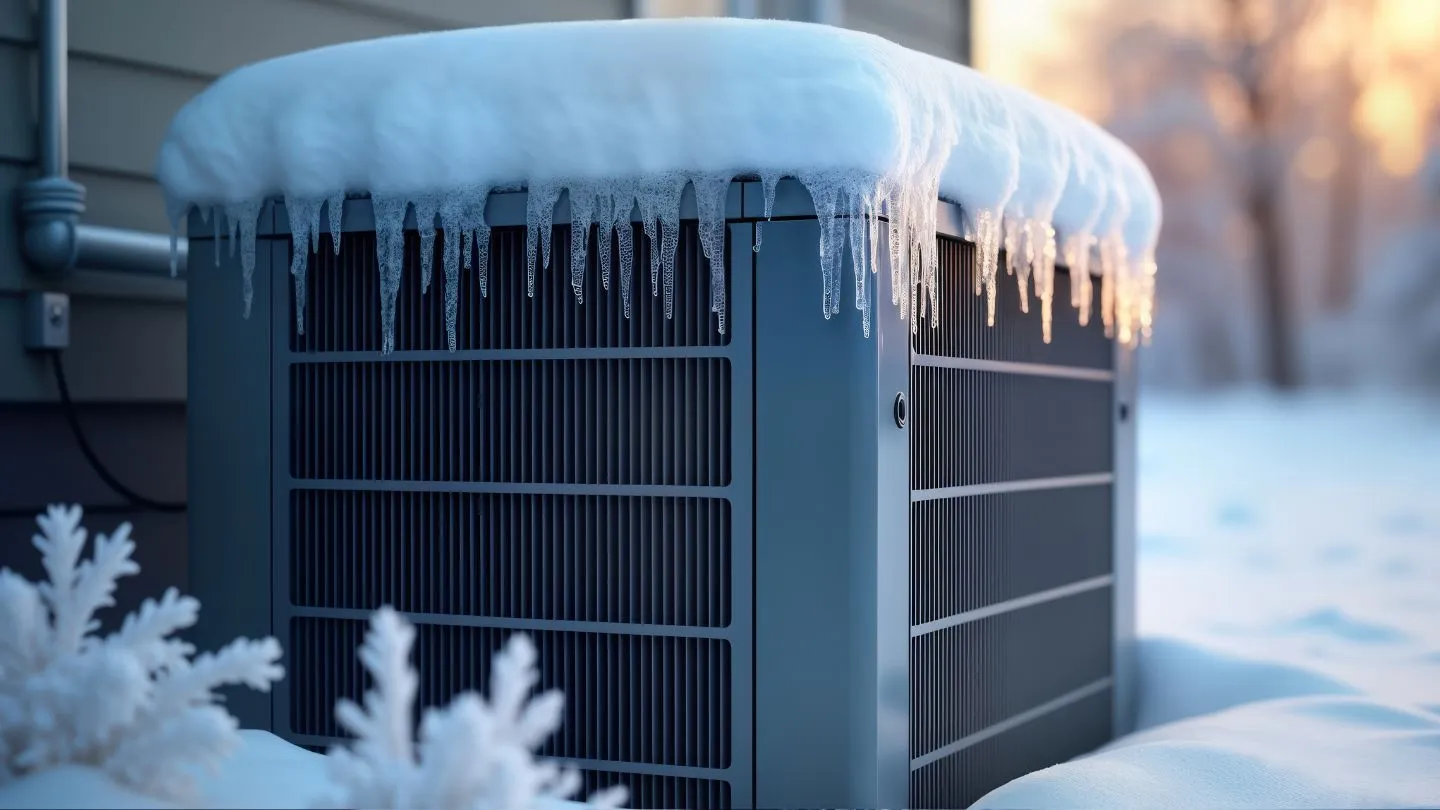
Winter brings cold days, harsh winds, and sudden storms. For homes and commercial buildings alike, heating systems become essential for comfort and safety. When temperatures drop without warning, poor preparation can lead to system failure at the worst time. A clear plan before winter begins helps reduce risk and avoid disruption.
Preparing an HVAC system is not about complex steps. It is about awareness, timing, and regular attention. A well-prepared system works more smoothly, lasts longer, and supports steady warmth when it matters most.
Why Winter Preparation Matters
Cold weather puts extra pressure on heating systems. Parts work harder, and small weaknesses can quickly become serious faults. Many breakdowns during winter happen because early preparation was missed. This is where a winter storm heating system checklist becomes important.
A winter storm heating system checklist provides a clear way to review readiness before extreme weather arrives. Using a winter storm heating system checklist also helps reduce stress during sudden cold spells. It ensures heating remains reliable when conditions outside become unpredictable.
Understanding the Risks of Winter Storms
Winter storms bring more than cold air. They often cause power issues, blocked vents, and sudden drops in temperature. These changes affect heating performance and system stability. Without preparation, systems may struggle to cope with rapid shifts in demand.
Following a winter storm heating system checklist helps identify risks early. A winter storm heating system checklist also supports better planning for extreme conditions. It encourages checks that protect both the system and the building from avoidable damage.
Checking System Performance Before Winter
Heating systems should be tested before winter begins. This allows enough time to address problems calmly rather than during an emergency. A system that works well in mild weather may still struggle in freezing conditions.
Pay attention to how quickly heat is delivered and how evenly it spreads. Delays or cold areas suggest the system is under strain. Early checks improve confidence that the system can handle winter demand.
The Importance of Clear Airflow
Airflow plays a major role in heating performance. During winter, vents and outdoor units can become blocked by debris, leaves, or snow. Restricted airflow forces the system to work harder, which increases wear.
Keeping airflow paths clear supports stable operation. It also helps maintain consistent indoor temperatures. Regular checks reduce the chance of sudden heating loss during storms.
Managing Moisture and Cold Exposure
Moisture is a hidden winter risk. When water collects near heating components, freezing can cause expansion and pressure. Over time, this stress weakens parts and affects reliability.
Dry surroundings support system health. Ensuring drainage areas remain clear reduces the chance of moisture buildup. This simple attention protects heating systems from winter-related damage.
Monitoring Energy Use During Cold Months
Energy use often rises in winter. However, sharp increases may signal a problem. When systems lose efficiency, they consume more power to deliver the same heat.
Tracking energy patterns helps spot changes early. Stable usage suggests healthy operation, while sudden rises point to strain. Early action prevents long-term damage and unnecessary cost.
Planning for Extreme Weather Events
Winter storms can arrive suddenly. Preparation includes planning for extended cold periods and potential outages. Heating systems should be ready to run longer without stress.
Clear planning improves resilience. It ensures comfort remains steady even during prolonged cold spells. Prepared buildings recover faster after storms pass.
Regular Oversight Throughout Winter
Preparation does not end once winter starts. Conditions change, and systems respond differently as temperatures shift. Ongoing oversight helps maintain performance across the season.
Simple observations make a difference. Listening for unusual sounds or noting changes in warmth supports early intervention. This approach reflects experience and responsible care.
Final Words
Winter comfort depends on preparation. Heating systems perform best when supported by early checks, clear airflow, and steady oversight. A thoughtful approach reduces risk and builds confidence during cold months. With preparation in place, buildings stay warm, safe, and ready for whatever winter brings.


