

52 thedevhome.net
Most people feel packing as the worst part of moving, mostly because people treat it like they’re just filling holes in a box. But if you want to actually live in your new house on day one, you have to pack with the “unpack” in mind. It’s about grouping things so you aren’t digging through six different boxes just to find a fork or your phone charger. Think of it as a favor to your future, exhausted self.
The “Foundation First” Methodology for Common Areas
Your living and dining spaces contain the largest “spatial puzzles.” The goal here isn’t just safety; it’s weight distribution. Moving professionals like Rodi Moving and Storage Company suggest a specialized packing strategy that takes makes a difference between “putting things in boxes” and Asset Flow Management.
- Modular Labeling: Instead of one giant pile of “Living Room” boxes, you create Sub-Zones. Standard labeling (“Kitchen,” “Bedroom”) is too broad
- Hardware Containment: Tape the screws and remote controls directly to the back of the furniture they belong to in a sealed bag.
- Visual Orientation Mapping: To eliminate “Structural Amnesia” during the reassembly phase.
This level of “Mechanical Integrity” ensures that your most complex rooms can be reassembled with zero guesswork in the new space.
Culinary Logic and Fragile Engineering
The kitchen is the most “dense” room in the house and requires the highest level of specialized packing. It’s not about how much paper you use; it’s about how you create “Crumple Zones” within the box.
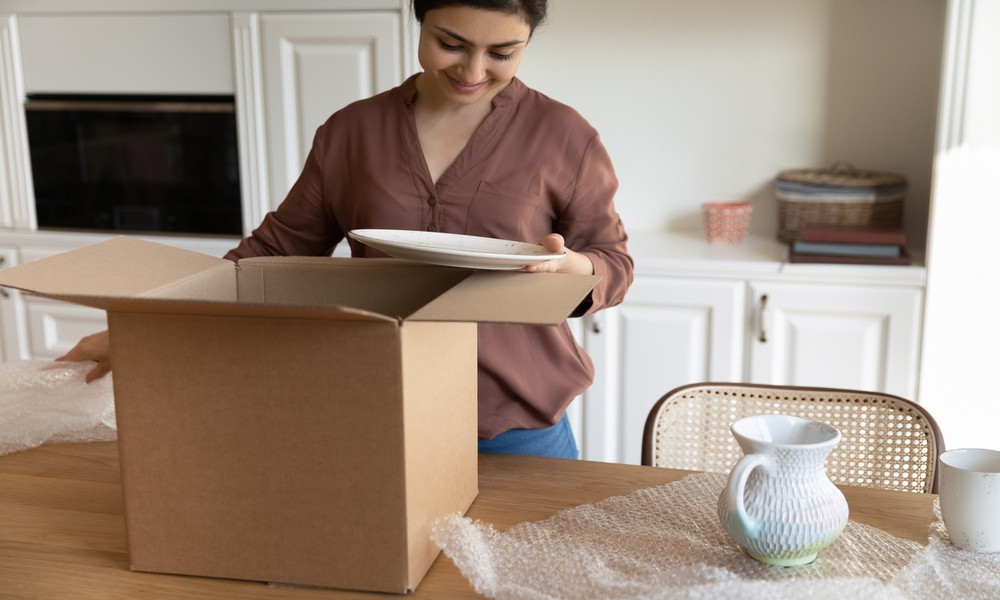
- Vertical Plate Loading: Plates should be packed on their edges like records, never stacked flat, to absorb shock.
- Nested Glassware: This is where high-fidelity preservation takes preference. It’s about moving away from “safe transport” toward Sanitary and Structural Integrity of kitchen assets. “Cell-Dividers” to ensure no two glass surfaces touch while clean boxes keep sanity.
- Appliance Prep: This is a hygiene and protection readiness protocol that adds focus on the environmental safety of your move. For example: Clean and dry kitchen appliances early to prevent slime and mold during transit.
By adopting such professional relocating standards, you treat your kitchenware like the precision tools they are, ensuring everything arrives ready for the first meal.
The “Sanctuary” Strategy for Bedrooms and Closets
The goal of packing with your day-one in your new home in mind is to ensure your first night is restorative, not a scavenger hunt. The “Wardrobe Box” is the modern solution for high-value clothing-it keeps items on hangers, preventing the need for a week of ironing post-move.
- Linens as Padding: Use towels and pillows as natural shock absorbers for mirrors or lamps.
- Valuables “Go-Bag”: Jewelry, passports, and essential medications should never go on the truck; they stay in your “Life-Architecture” bag.
- The “Reverse-Loading” Staging: Decouple the “small-box logistics” from the “heavy-asset maneuvers.”
This room-by-room specialization ensures that the most private areas of your home are the easiest to re-establish, protecting your personal peace of mind.
Managing the “Technical Debt” of Home Offices
For the modern professional, the home office is a critical node. Packing electronics requires a “Cable Mapping” strategy. Before unplugging, take a photo of the back of your workstation.
- Anti-Static Materials: Use specialized bubble wrap for monitors to prevent pixel damage.
- Document Security: Use “Locked Totes” for sensitive files during the transition.
- Sequential Unpacking: Set up the Wi-Fi and the desk first.
By partnering with the technical moving experts, you treat your digital infrastructure with the same care as your physical furniture, minimizing “downtime” and ensuring your professional life doesn’t skip a beat.
In essence, efficiency in moving is a direct result of the “Systems-Thinking” you apply before the first box is taped. When you organize by logic and protect by expertise, the chaos of relocation disappears. A well-packed move is the first investment you make in the success of your next chapter.